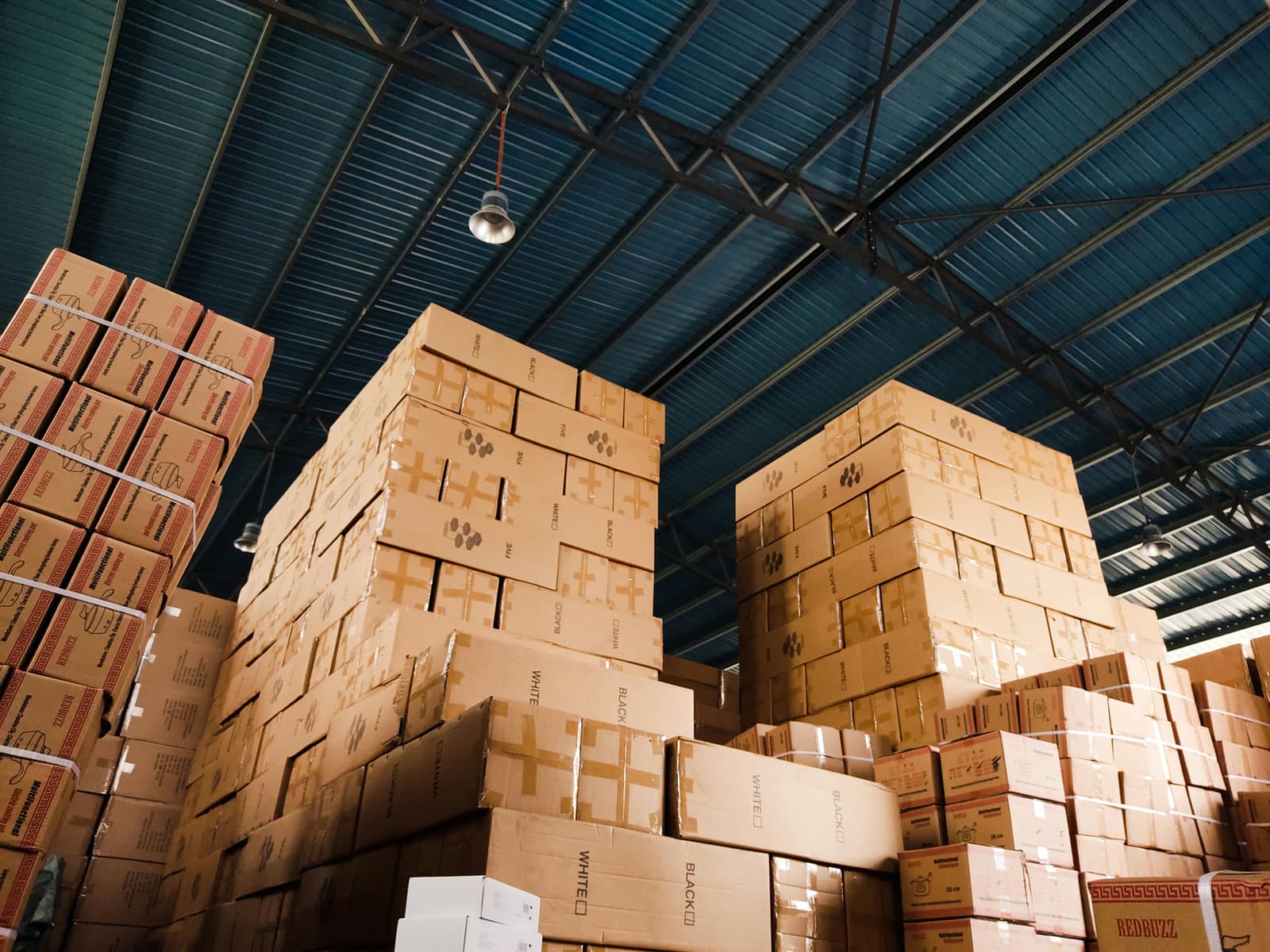
Business Instalment Payments for New Zealand Manufacturers
Across New Zealand manufacturing, how and when a customer pays can matter as much as the price itself. Business instalments through PaidTerms give manufacturers another option alongside deposits, trade accounts and milestone payments, without requiring them to fund the repayment period themselves.
Why Payment Timing Matters in Manufacturing
Manufacturing sales are rarely a single transaction. Materials are often purchased before production starts, tooling or setup costs may be fixed regardless of order size, and delivery can be weeks or months after the order is confirmed. Payment timing has to work alongside all of that, not just reflect what the customer would prefer.
Common Manufacturing Payment Structures
Most manufacturers already use some combination of these: a deposit to confirm the order and cover initial material costs, a trade account for established customers, milestone payments tied to production stages, and a final payment before or on delivery. Each of these exists to match payment to the manufacturer's own costs and risk, not simply to suit the buyer.
These structures generally work well because they follow the manufacturer's own cash outlay: materials and labour are committed before the finished goods are paid for, so the payment structure is there to protect that gap, not just to give the customer time.
Where Business Instalments Fit
Business instalments do not replace deposits or production milestones. They apply to how the customer's invoice is settled, typically once the goods are ready or delivered. With PaidTerms, the manufacturer issues the invoice as usual, and an eligible customer can pay it in instalments while the manufacturer is paid the full amount upfront.
Five Practical Industry Examples
Packaging. Larger production runs usually bring the cost per unit down, but the invoice for a larger run is correspondingly larger. Instalments can let a buyer commit to the more efficient run size rather than defaulting to a smaller one. See flexible payments for packaging manufacturers.
Plastic injection moulding. Tooling costs sit on top of the production run itself, and both are often invoiced together. Spreading that combined cost can make it easier for a product manufacturer or OEM to commit to a full run rather than delaying the order. See instalment payments for plastic injection moulding.
Chemical manufacturers. Bulk chemical and raw material orders can involve significant working capital for the buyer, particularly for distributors and industrial customers ordering ahead of demand. See instalment payments for chemical manufacturers.
Commercial furniture. A complete office fit-out is often more coherent and better value than a staged rollout, but the upfront cost of furnishing a whole office at once can push a buyer toward doing it in parts. See instalment payments for commercial furniture suppliers.
Building materials. Contractors often need to align material payments with project milestones and their own client payments. An instalment option can help a contractor commit to a larger material order without that timing mismatch forcing a smaller one. See instalment payments for building materials suppliers.
Benefits for the Manufacturer
- Paid the full invoice amount upfront once the customer is approved
- Not left carrying the receivable or chasing the customer's repayments
- Another option alongside deposits and trade accounts, not a replacement for them
- Can support larger, more efficient orders without extending in-house credit
Considerations for the Buyer
A buyer choosing instalments is still responsible for the scheduled repayments, and eligibility is assessed rather than automatic. Instalments change when the invoice is paid, not whether the underlying order is a sensible one. A larger order is not automatically more profitable for the buyer once storage, holding costs and demand uncertainty are accounted for.
Buyers should also confirm how an instalment plan interacts with any deposit already paid, so the total repayment schedule is clear before the order is confirmed rather than worked out afterwards.
Instalments, Deposits and Milestone Payments
For made-to-order or long production-cycle work, a deposit to confirm the order and cover early costs, followed by milestone or delivery-based payments, often remains the most appropriate structure. An instalment option through PaidTerms can sit alongside this, typically applied to the final invoice, rather than replacing deposits or contractual milestones that protect the manufacturer during production. For suppliers weighing up their options more broadly, see how to offer payment terms without becoming the lender.
How PaidTerms Works
PaidTerms connects to Xero and lets manufacturers offer instalments on eligible invoices without funding the repayment period themselves. The current terms and fees are confirmed as part of each application, not fixed in advance for every transaction.
Frequently Asked Questions
Do instalments replace a deposit on a made to order product?
Not usually. A deposit and any production milestones typically remain in place. Instalments are more commonly applied to the invoice once the goods are ready or delivered.
Does every manufacturing customer qualify for instalments?
No. Eligibility is assessed per customer and invoice, and terms and fees apply.